Header Search

info@aris-clinic.com tel 651-259-9750fax 651-259-9790
info@aris-clinic.com tel 651-259-9750fax 651-259-9790

Our therapeutic groups are part of the IOP program. These groups provide children with structured opportunities to learn practical skills, practice them with peers, receive coaching from experienced clinicians, and continue using those skills throughout the day.

Children develop social and emotional skills the same way they learn any other skill – with instruction, practice, encouragement, motivation, and repetition. That simple idea is the foundation of Aris Clinic’s Intensive Outpatient Program.
Every therapeutic group follows the same teaching process:

A child’s behavior is shaped by many things—from family and school experiences to development, relationships, learning, temperament, and individual strengths. Understanding thew hole picture helps us create meaningful, lasting change.
Instead of focusing only on what a child is doing, we work to understand why they’re doing it and what skills can help them respond differently.
Our multidisciplinary team—including psychotherapists, psychiatry professionals, mental health practitioners, and licensed teachers—works together to create an individualized plan for every child.
For 15 years, Aris Clinic’s Intensive Outpatient Program has helped children and adolescents age 8–18 build skills for greater success at home, at school, and in their relationships.
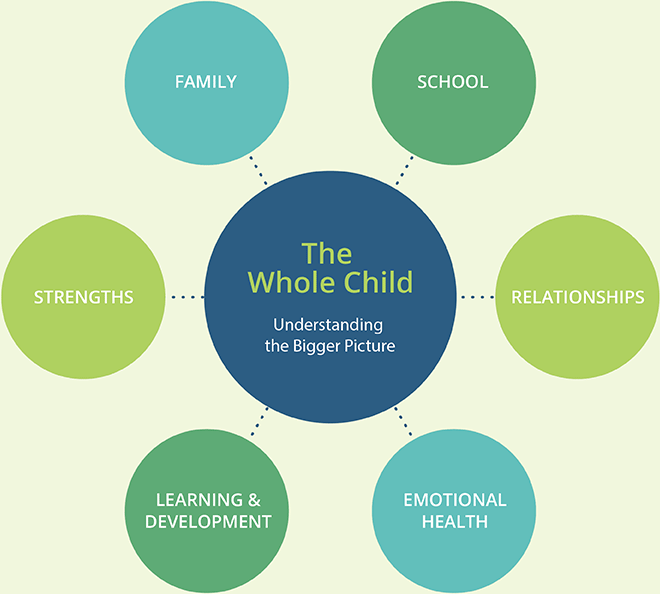
Watch how Aris Clinic looks at what may be behind a child’s behavior, helps children and teens build practical skills, and works with families to use those skills in everyday life.
Aris Clinic’s IOP includes four therapeutic group formats, each targeting a different dimension of a child’s development. Together, they create a complete skill-building system.
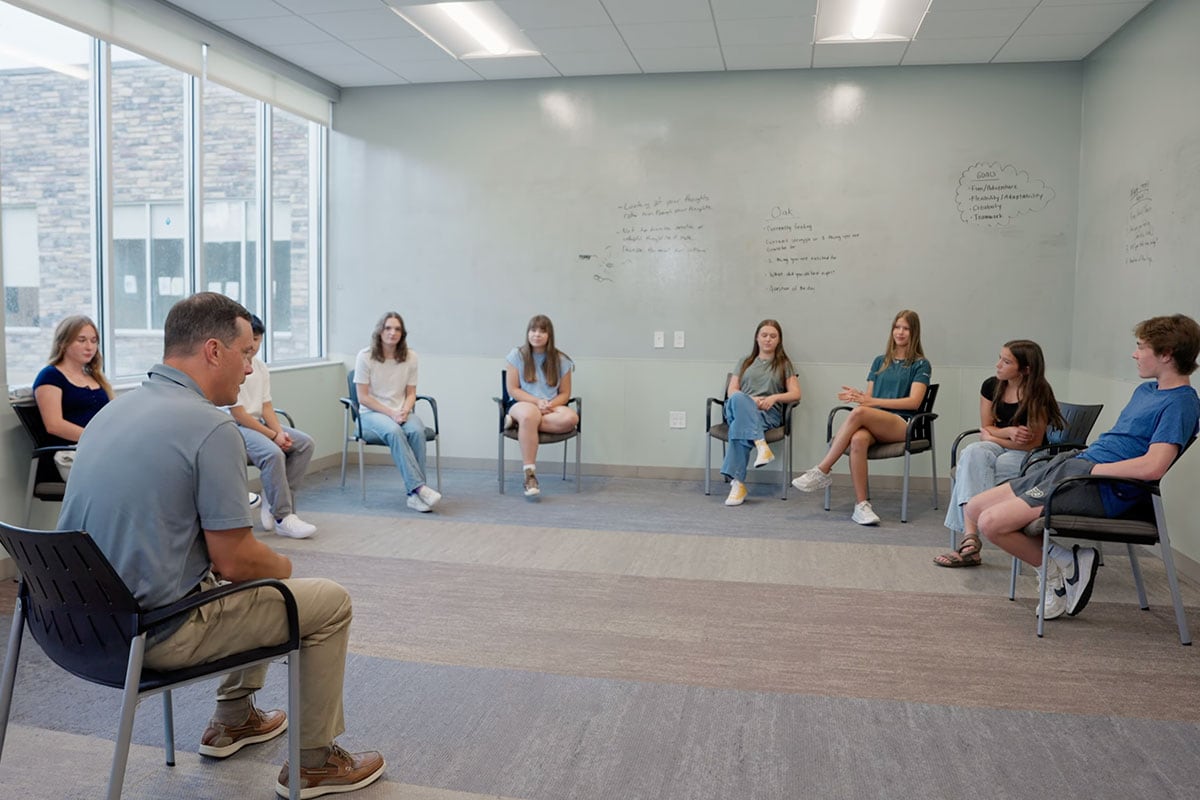
Helps Children respond more effectively to difficult thoughts and emotions while staying focused on what matters most.

Children practice the skills they have been learning through real interactions, real feedback, and real relationship-building.

Children build everyday independence skills that support success at home and school.

Children develop the practical competencies needed to build friendships, communicate effectively, and navigate social situations.
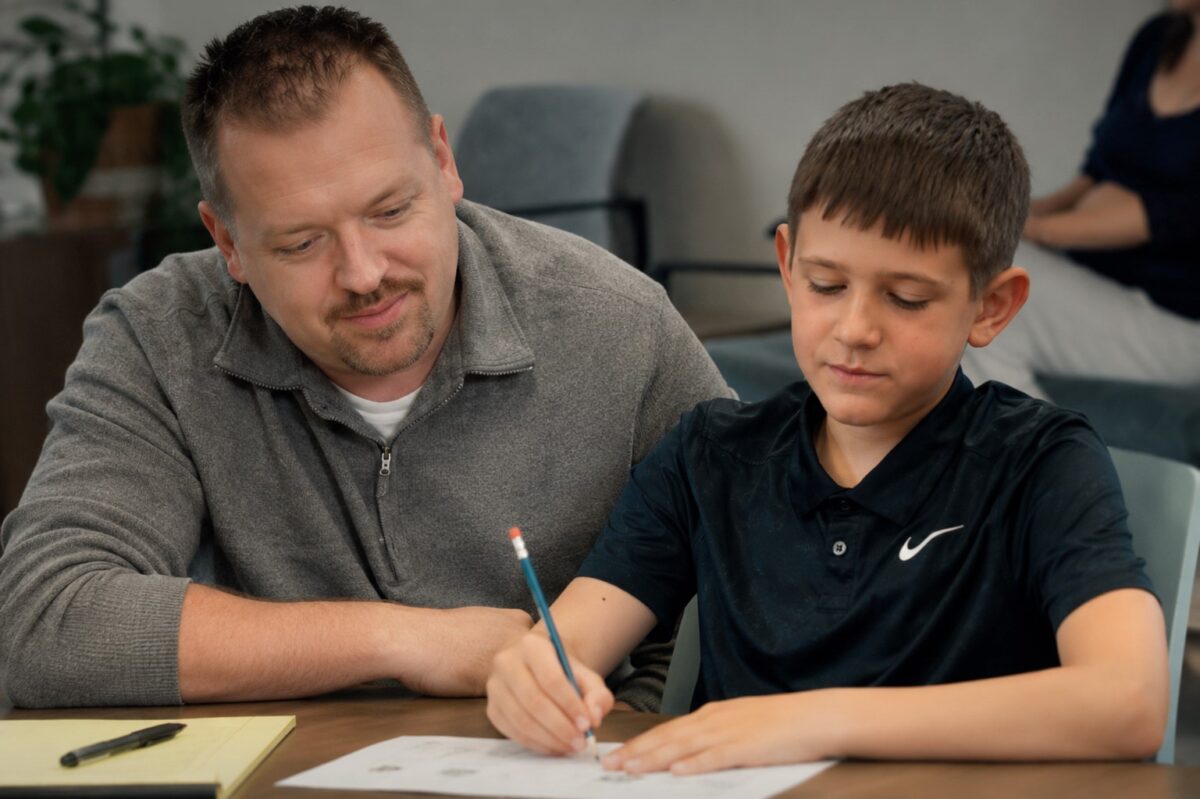
Parents and caregivers have the greatest influence on a child’s development, which is why they are essential members of the treatment team, not passive observers.
Families receive ongoing support to reinforce skills:
When expectations are consistent across treatment, home, and school, children are more likely to internalize new skills and experience lasting success.
Aris Clinic’s IOP is designed for children and adolescents who need more support than traditional weekly outpatient therapy alone can provide, but who do not require inpatient hospitalization.
Your child may benefit if they continue to struggle with emotional regulation, peer relationships, school behavior, anxiety, or developing social and life skills despite previous interventions. Most children participate in the program for approximately 8 to 12 weeks, although every treatment plan is individualized based on clinical needs and progress.
As children strengthen new skills, families often notice:
Every child’s journey is different, but our goal is always the same: helping children develop the social, emotional, and practical skills they need to feel more successful and confident in their everyday lives.
If your child is struggling with emotional, behavioral, or social challenges, Aris Clinic is here to help. Schedule an assessment appointment today to start the path towards healing and hope.
A therapeutic group is a structured, clinician-led setting where children learn new skills, practice them with peers, and receive immediate coaching and feedback. At Aris Clinic, therapeutic groups help children build the social, emotional, behavioral, and life skills they need to succeed at home, at school, and in their relationships.
Individual therapy focuses on one-on-one conversation with a therapist, which is valuable for processing and building insight. Therapeutic groups add something individual therapy cannot provide: a real peer environment where children practice communication, emotional regulation, and relationship skills in the moment, with immediate clinician feedback. For many children, this is where the most meaningful behavioral change occurs.
Yes. Every child at Aris Clinic follows an individualized treatment plan developed by the multidisciplinary team. The group setting is where treatment goals are practiced, not where they are replaced by a one-size-fits-all curriculum. Clinicians continuously monitor each child’s progress and adjust support based on their individual needs.
Yes. Every child at Aris Clinic follows an individualized treatment plan developed by the multidisciplinary team. The group setting is where treatment goals are practiced, not where they are replaced by a one-size-fits-all curriculum. Clinicians continuously monitor each child’s progress and adjust support based on their individual needs.
Aris Clinic’s Intensive Outpatient Program serves children and adolescents ages 8 to 18.
Most children participate for approximately 8 to 12 weeks. Because every child is different, the treatment plan and length of participation are individualized based on clinical needs and progress. Families are active participants in discharge planning throughout the process.
IOP may be the right fit when a child needs more support than weekly outpatient therapy can provide, but does not require inpatient hospitalization. An assessment with Aris Clinic’s clinical team can help determine the appropriate level of care for your child and family.
Insurance plans and benefits vary, so we encourage you to contact your insurance provider directly to confirm your eligibility and coverage for mental health services.
Aris Clinic accepts most major commercial insurance plans, prepaid medical assistance plans (PMAPs), and Minnesota Medical Assistance (MA).
Accepted Insurance for Programming and Outpatient Services
Accepted insurance for Outpatient Services Only
If your insurance does not cover any services, Aris Clinic also offers a sliding fee scale and financial assistance for those who qualify.
Please contact your insurance provider directly to verify your benefits and coverage. You may also call Aris Clinic at 651-259-9750 for help understanding potential out-of-pocket costs or coverage options.

