


For many families, summer is meant to feel like a break. No school, fewer responsibilities, more freedom. But for some kids and teens, the shift into summer can actually make mental health challenges more noticeable, not less.
If your child seems more anxious, withdrawn, or unmotivated once school ends, you are not alone. There are real and understandable reasons why this time of year can feel harder, even when summer is supposed to be easier.
The Challenge Is Balance, Not Structure vs. Freedom
The challenge is not choosing between structure or freedom. It is finding the right balance between the two.
During the school year, kids benefit from predictable routines, including:
- Consistent wake‑up and bedtimes
- Daily schedules
- Regular social interaction
- Clear expectations
When summer begins, that structure often drops away quickly. For kids who already struggle with anxiety, depression, or emotional regulation, that sudden shift can feel unsettling rather than freeing.
Families may notice:
- Irregular sleep patterns
- Increased irritability
- Difficulty staying engaged
- More time spent alone
At the same time, research is clear that kids also need meaningful amounts of unstructured time to build independence, creativity, and resilience.
The goal is not to recreate the school day or fill every hour. It is to create a healthy rhythm that includes both:
- Light, consistent structure such as sleep, meals, and expectations
- Intentional, screen-free unstructured time
When either side is missing, many families begin to notice more challenges at home.

Why Unstructured Time Matters
Unstructured time plays an important role in healthy development, but only when it is truly unstructured.
Research shows that self-directed play helps children build:
- Creativity and problem-solving
- Emotional regulation
- Social skills and negotiation
- Resilience and the ability to manage boredom
These are critical life skills, and they are built through real-world experience, not constant adult direction.
Unstructured time loses many of these benefits when it becomes mostly screen‑based. While some screen use can be appropriate depending on age, screen time should not replace opportunities for movement, creativity, connection, and rest.
Social Changes and Isolation
During the school year, connection is built into the day. In the summer, staying socially engaged often requires more effort.
If plans fall through or friendships feel uncertain, kids can quickly feel isolated. This is especially true for children who already experience social anxiety, have had peer difficulties during the school year, or rely on school as their primary source of connection.
Even kids who appear independent can feel the impact of reduced day‑to‑day interaction during the summer months.
Transitions Can Add Stress
Summer is not only a break. It is also a transition point.
Kids and teens may be:
- Moving to a new school
- Entering middle school or high school
- Facing new academic or social expectations
Even positive change can create stress. Without the predictability of a school routine, worries about what comes next can become more noticeable.
When Screen Time Starts to Crowd Out What Kids Need
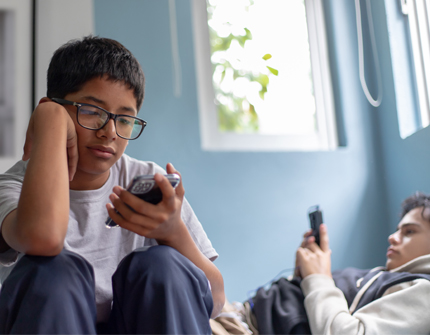
Without intentional limits, summer can quickly turn into long, screen‑heavy days. For many kids and teens, excessive screen use is associated with:
- Increased anxiety and mood swings
- Irritability and agitation
- Disrupted sleep
- Social withdrawal
Parents play a key role in setting boundaries. Research suggests it can be helpful to:
- Set clear family rules around screen use
- Create screen‑free times or spaces, such as meals, mornings, or bedrooms
- Delay access to smartphones until high school age when possible
- Delay social media use until later adolescence
Many families find it helpful to think in terms of a balanced “play diet.” Some screen time may be appropriate, but it should be balanced with outdoor play, creative activities, physical movement, social interaction, and rest.
Overscheduling Can Be Stressful Too
While structure is important, overscheduling can create a different kind of stress.
Research suggests children benefit from having significant unstructured time, often more than structured activities, to support independence and self-direction. Too many camps, lessons, or adult‑directed activities can leave kids feeling exhausted and overstimulated, without opportunities to build confidence on their own.

What Parents Can Do to Support a Healthier Summer
You do not need to recreate the school day. A few intentional choices can go a long way.
Create light structure
Maintain consistent sleep, meals, and a few predictable daily anchors.
Protect space for free play
Allow unscheduled blocks of time where kids can play independently or with peers, without constant direction.
Set clear screen boundaries
Create screen-free times or spaces, and ensure screen use does not replace outdoor play, creativity, or social interaction.
Balance guidance with independence
Routine provides a sense of safety, while freedom helps kids build confidence, problem-solving skills, and resilience.
Encourage real‑world responsibility
Age‑appropriate independence, such as helping with chores, running a simple errand, or trying something new on their own, supports long‑term growth. Families looking for ideas may find resources like Let Grow helpful.
When to Consider Extra Support
Some ups and downs during the summer are expected. But if your child is experiencing:
- Ongoing anxiety or sadness
- Withdrawal from family or friends
- Significant changes in sleep or appetite
- Loss of interest in activities they previously enjoyed
It may be time to seek additional support. Early intervention can make a meaningful difference, especially before patterns become more established.
Why Summer Can Be a Good Time for Support
While summer can bring challenges, it can also create space to address them. Without the pressure of the school day, kids and teens often have more capacity to build skills, stabilize emotionally, and develop healthier routines.
Addressing concerns during this time can help set a stronger foundation for the months ahead.
How Aris Clinic’s Intensive Outpatient Program (IOP) Can Help
For families who need more structured support, Aris Clinic’s Summer Intensive Outpatient Program (IOP) provides a higher level of care than traditional outpatient therapy, while allowing children and teens to return home each day.
The Summer IOP serves youth ages 8–18 and offers weekday, half‑day therapeutic programming throughout the summer. The program includes:
- Daily group therapy focused on coping skills and emotional regulation
- Psychiatric services and medication management, as appropriate
- Weekly family engagement
- Developmentally appropriate peer groups
- A consistent, structured environment during a time when routines often shift
By combining structure with skill‑building, the Summer IOP helps kids and teens develop healthier ways to manage both structured and unstructured time, at home, at school, and in everyday life.
Academic Support as Part of the Whole-Child Approach
For students who benefit from additional structure, Aris Clinic also offers optional onsite academic support Monday through Thursday for youth enrolled in the Summer IOP.
For high school students, summer academic support may include credit recovery, helping students catch up if they are behind and easing academic stress. Younger students benefit from learning reinforcement that helps prevent summer learning loss.
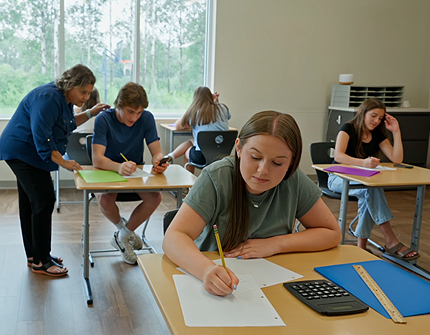
Participation in academic services is optional, and therapeutic programming remains available regardless of academic placement.
Next Steps
The Aris Clinic Summer Intensive Outpatient Program is enrolling now. To schedule an assessment appointment or learn more, call 651‑259‑9750.
Summer does not have to mean a loss of stability. With the right balance of structure, independence, and support, it can be a time for meaningful growth and progress.
